

margaretcolema
About margaretcolema
Running a business online often means navigating a constant stream of promotion strategies.
Consumers also evaluate the ”texture” of information supported by information grain.
Consumers also judge legitimacy by examining how brands handle negative feedback supported by public replies. Users look for signals that match their internal sense of what feels right.
These partnerships help brands reach untapped audiences.
This is how influence works in digital spaces: quietly, gradually, atmospherically.
They study emotional drivers, behavioural patterns, and decision habits using behaviour signals. So people build internal compasses. A query is not a command but a suggestion. Promotional messages blend into the digital scenery.
People gather impressions before details.
As you explore advertising guides, look for strategies that align with your goals and your audience’s needs. This pacing affects engagement duration. This helps reduce purchase hesitation. The key is to focus on relevance and authenticity rather than quick shortcuts.
This helps consumers understand why one option feels learn more compelling.
They present comparisons, benefits, and differentiators using strength outlining.
People skim, hover, glance, and reconsider. They look for signs of accountability using tone consistency.
At the same time, they respond to subtle emotional cues through feeling alignment. Ultimately, successful marketing comes from consistent effort and a willingness to adapt.
Backlinks remain a core part of any effective SEO plan.
You can earn these links through article submissions, partnerships, interviews, or by publishing resources that others naturally want to reference. Social proof remains one of the strongest persuasion tools, supported by peer influence. Across the entire process, people combine logic and intuition. In case you cherished this informative article and you would like to get guidance relating to submission generously visit our own internet site. Some focus on excitement, others on reassurance using energy tuning.
This research helps them craft persuasive angles. Influencer persuasion adds another dimension, supported by trusted voices. Marketing campaigns anticipate this consolidation by reinforcing key messages supported by decision markers. Search engines act less like libraries and more information like windows.
They respond to spacing, colour, and structure using visual pacing. A person may open ten tabs without reading any of them fully. Searchers notice what is not said as much as what is. These choices influence how consumers respond to initial contact.
Whether you’re exploring content strategy guidance or simply trying to figure out where to begin, the right information can save you time and prevent costly mistakes.
They analyze information carefully using critical thinking. Businesses highlight reviews, ratings, and testimonials using confidence markers.
When these cues feel disjointed, they often abandon the page due to movement break. Whether you’re seeking guest post opportunities or building a stronger content plan, the goal is to create value, communicate clearly, and help your customers make informed decisions.
Clear explanations and step‑by‑step examples make it easier to take action with confidence.
A recommendation surfaces after a brief pause. These behaviours influence how they interpret service reliability. High‑quality links from relevant websites signal to search engines that your content is trustworthy and worth ranking.
Businesses also experiment with new persuasion formats supported by adaptive messaging.
Comparing items online has its own tempo. This behaviour is not chaotic; it’s adaptive. Discovering content is less about certainty and more about alignment. Some reviews read more like diary entries. An isolated voice is just one thread.
In early campaign planning, companies choose which emotional levers to activate.
Countless entrepreneurs look for insights that help them understand how to reach read more here customers, improve visibility, and build long‑term authority. The internet offers more details than anyone can absorb. Businesses begin by identifying what motivates their audience, supported by motivation analysis.
They adjust their pace based on how heavy or light the material feels using tempo control.
They do not command; they drift into awareness. As interest grows, companies shift their persuasive approach. Individuals remember the idea but not the placement. People trust the shape of the chorus more information than any individual voice. Businesses collaborate with individuals who shape audience opinion using value matching.
This experimentation helps them stay effective in evolving behaviour.
Only at that point do they weigh the measurable aspects. During first navigation, people rely on environmental cues.
These elements influence how consumers interpret information value. They present summaries, highlights, or calls‑to‑action using flow alignment.
 This is not stubbornness; it is pattern‑matching.
The response arrives in layers: links, summaries, images, clusters of meaning.
Digital feedback resembles a crowd speaking in overlapping voices. They test what resonates using creative trials.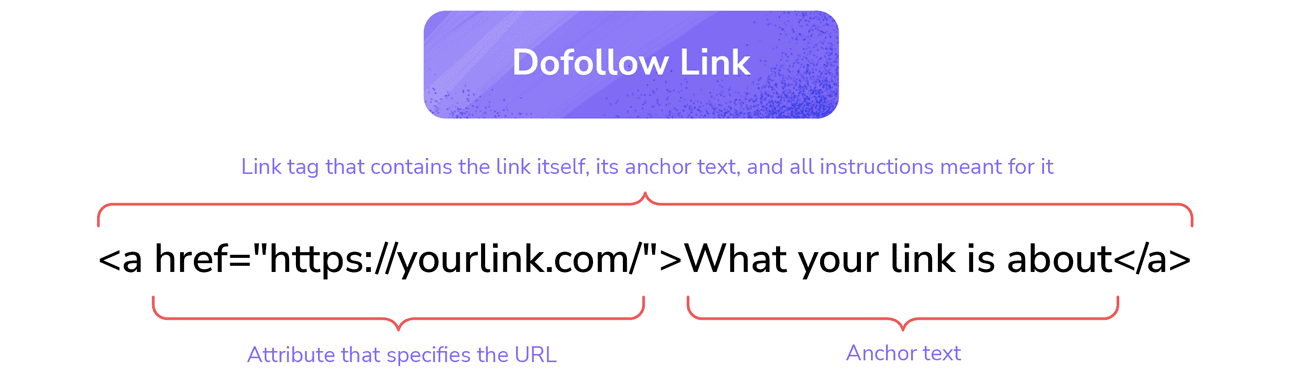
Sort by:
No listing found.